

Introduction
The Triad Institute for Health Research and Development (TIHRAD) continues to advance community-based One Health research through its commitment to understanding and mitigating zoonotic spillover threats in biodiversity hotspots. As part of this mission, TIHRAD supported a landmark research project led by Principal Investigator, Yusuf Amuda Tajudeen titled “Investigating the Risk of Zoonotic Pathogen Spillover at the Human–Animal Interface in a Biodiversity Hotspot in Ibarapa District of South-Western Nigeria: A Mixed-Method Study.”
Funded by the Royal Society of Tropical Medicine and Hygiene (RSTMH) in partnership with the UK National Institute for Health and Care Research (NIHR) Early Career Researcher Programme, the project ran from November 1, 2022, to November 1, 2023.
This community-based initiative addressed the rising threat of zoonotic diseases driven by increasing human–wildlife interactions in rural Nigeria. The Ibarapa District, home to fragmented forests rich in biodiversity and communities heavily reliant on hunting, farming, and logging, provides a critical environment where pathogen spillover risks are amplified.
By examining knowledge, perceptions, and practices among high-risk populations, the project aimed to generate evidence that can guide preparedness, strengthen early detection, and inform public health actions to reduce the risk of emerging infectious diseases. The project reflects TIHRAD’s ongoing commitment to research, advocacy, and policy engagement that bridge environmental health, human well-being, and sustainable ecosystem management.
Project Design
Study Area
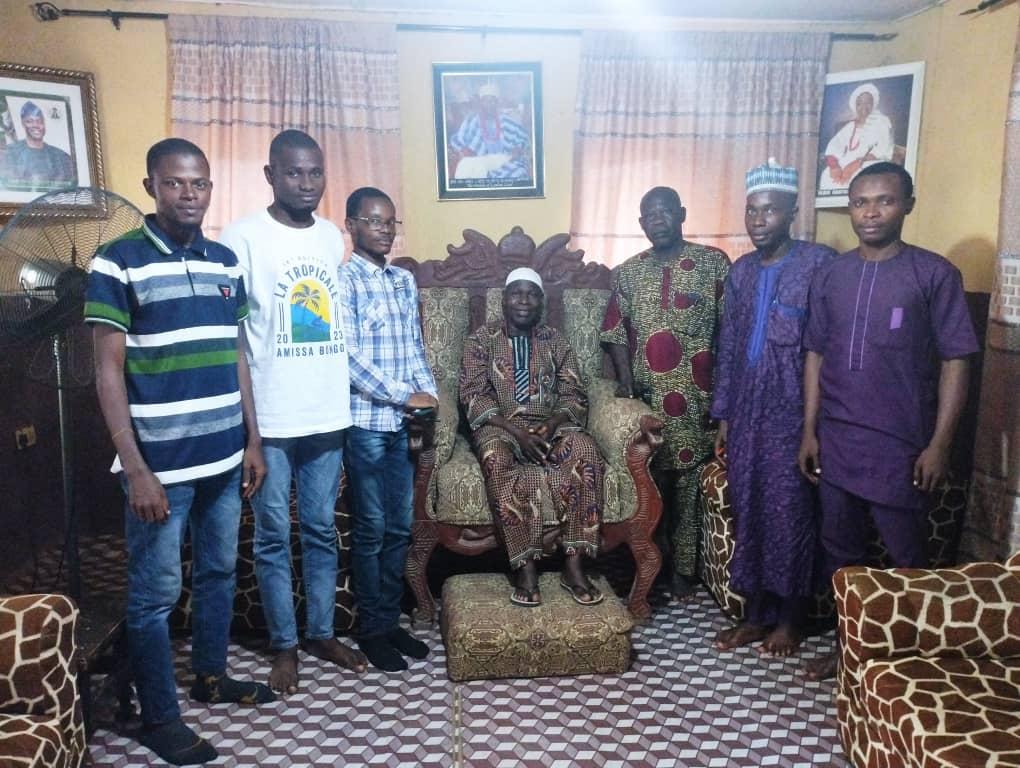
The project was conducted across the seven towns collectively known as “Ibarapa Meje” including Ayete, Eruwa, Idere, Igangan, Igbo Ora, Lanlate, and Tapa. These communities span the three Local Government Areas of Ibarapa East, Ibarapa Central, and Ibarapa North in Oyo State, South Western Nigeria.
With a combined population of more than 322,000 residents, the district is recognized as a biodiversity hotspot characterized by fragmented forest reserves, abundant wildlife, and significant human encroachment. Farming, hunting, and logging, which are major sources of livelihood, frequently place residents at the human–animal interface and elevate the risk of zoonotic pathogen transmission.
Study Design
To investigate the drivers of zoonotic spillover in the district, the research employed a cross sectional mixed method approach integrating both quantitative and qualitative data. The study focused on communities living closest to fragmented forest zones, where wildlife migration, habitat loss, and human encroachment are common.


Leave a Reply