
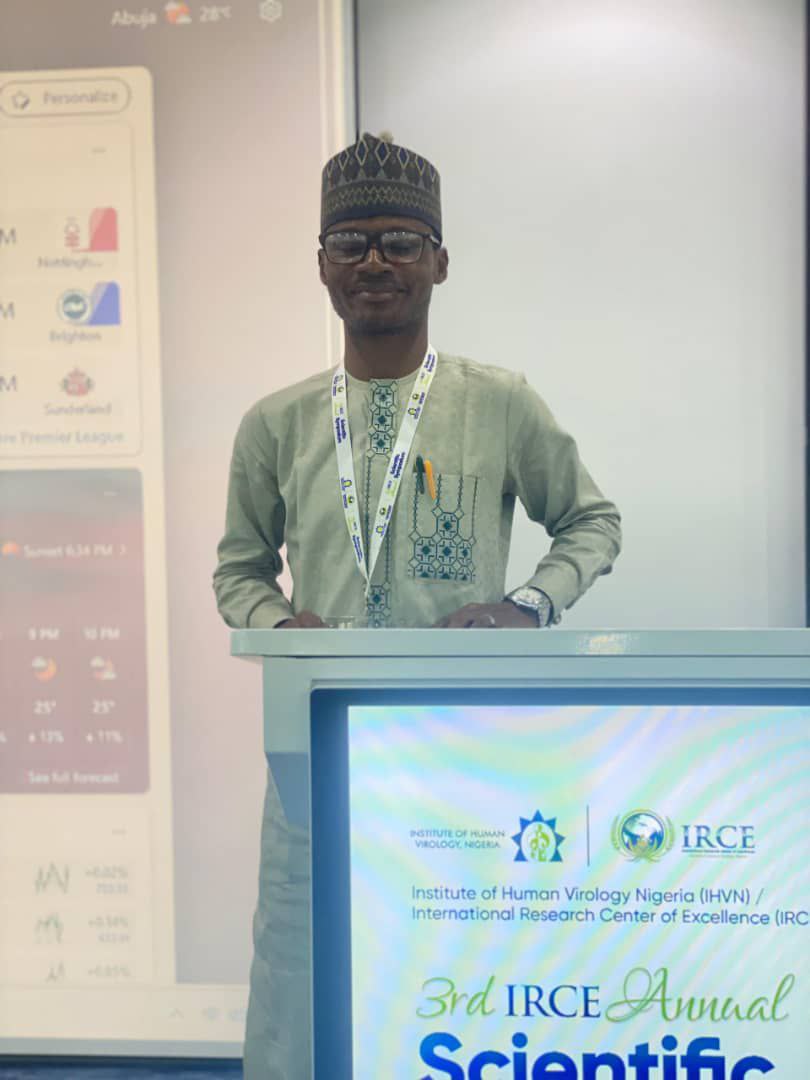

The Institute of Human Virology Nigeria (IHVN) hosted the 3rd IRCE Annual Scientific Symposium (ISS2025) from September 8 to 9, 2025, at the IHVN Campus in Abuja, Nigeria. The symposium, themed “Combating Viral Threats Through Public Health Response and Research,” convened leading scientists, policymakers, and researchers to share evidence-based strategies for mitigating infectious disease threats. The event, which adopted a hybrid format, featured robust discussions on surveillance, pandemic preparedness, and innovations in viral disease research.
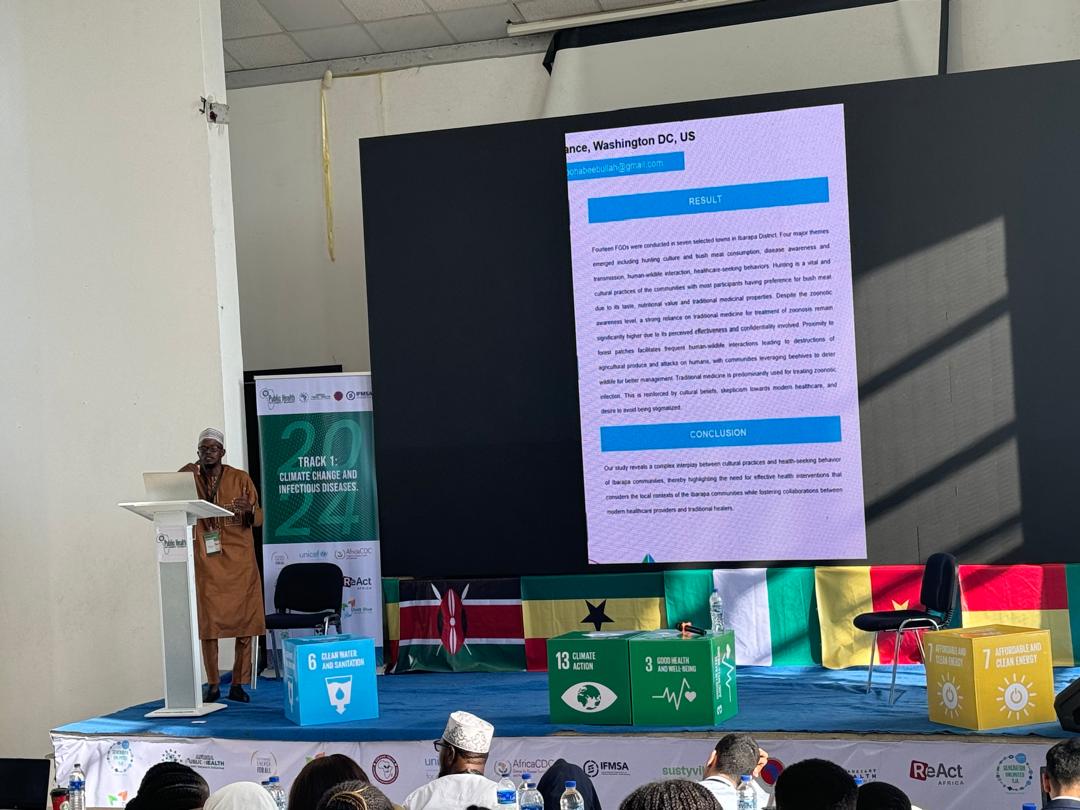
Representing Triad Institute for Health Research and Development (TIHRAD) at this year’s symposium was Yusuf Amuda Tajudeen, who presented a collaborative study with Habeebullah Jayeola Oladipo and Iyiola Olatunji Oladunjoye titled “Investigating the Risk of Zoonotic Pathogen Spillover at the Human–Animal Interface in a Biodiversity Hotspot in Ibarapa District of South-Western Nigeria: A Mixed-Method Study.” The study examined the complex dynamics between human activity, wildlife interaction, and zoonotic disease transmission within a biodiversity-rich region of Nigeria.
The research utilized a cross-sectional mixed-method design involving 405 participants from seven towns in Ibarapa District. Quantitative data were analyzed using R software, while qualitative insights were derived from 21 focus group discussions analyzed through thematic content analysis. The study revealed that the communities depend heavily on ecosystem services such as hunting and farming, often unaware of the zoonotic risks associated with these practices. Despite awareness of diseases like rabies and Ebola, a strong reliance on traditional medicine persists due to cultural beliefs, accessibility, and trust.
Key findings highlighted that individuals involved in hunting were over nine times more likely to experience wildlife attacks, a critical risk factor for pathogen spillover. The study also documented how wildlife parts, such as the flesh of monkeys or rats, are used in traditional remedies for ailments like convulsion and infertility. These cultural and ecological factors collectively shape zoonotic disease exposure and response in the region.
Yusuf concluded the presentation by emphasizing the need for tailored risk communication strategies, improved health education for rural populations, and enhanced surveillance in human–wildlife conflict zones. The study, funded by the Royal Society for Tropical Medicine and Hygiene (RSTMH) in partnership with the UK’s National Institute of Health and Care Research (NIHR), aligns with TIHRAD’s mission to advance One Health research and promote resilient health systems in Africa.

Leave a Reply